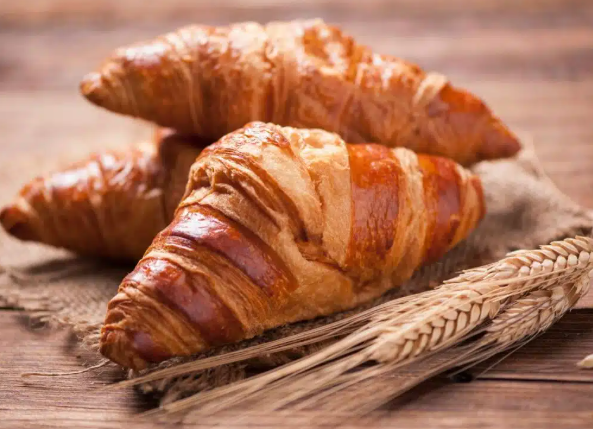
A straight croissant is a promise. In traditional French baking, this unbending form is a visual clue—a silent code to the customer that the pastry is a croissant au beurre, crafted with 100% pure butter. It is the hallmark of modern craftsmanship and authenticity, a declaration that no inferior fats or compromises, like margarine, have entered the dough. By refusing the historic curve, the baker honors the purity of the ingredients, offering a shape that prioritizes a richer, melt-in-your-mouth flavor and a more sophisticated, flaky texture. This straight silhouette has become the gold standard of the modern boulangerie, turning a simple morning ritual into a celebration of unadulterated luxury that stands proud on the breakfast plate.
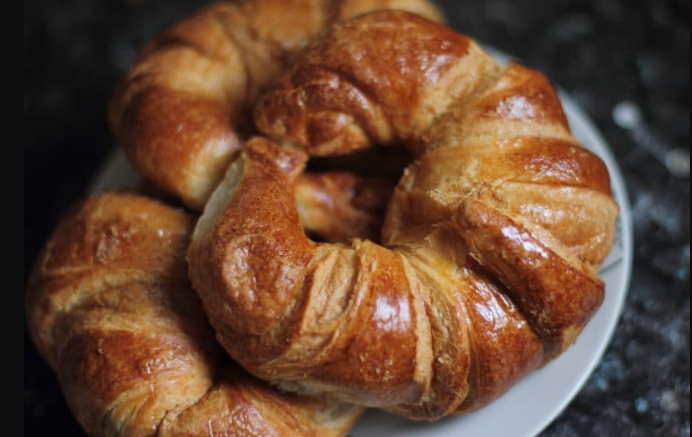
A curved croissant is a tribute. Its elegant, crescent-like silhouette is a nod to a storied past, whispered to have originated from the kipferl—a Viennese pastry shaped like the moon to celebrate a historic victory over Ottoman forces. To twist the dough into a curve is to honor that ancient legend, turning a simple breakfast into a poetic symbol of resilience and heritage. While its straight counterpart boasts of pure butter, the curve remains a romantic gesture to the artisan’s hand, a soft arc that captures the light and cradles the history of the morning table in every golden, flaky layer.